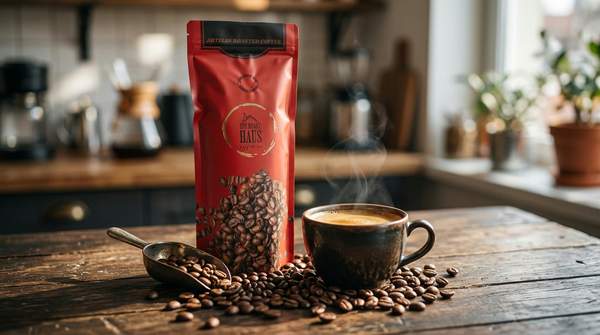
With specialty coffee consumption at a 14-year high, more people than ever are seeking a superior cup. According to the National Coffee Association, 46% of American adults now drink specialty coffee daily. Yet, navigating the world of artisan beans can be tricky.
Making one of the common mistakes to avoid in coffee beans can lead to a flat, disappointing brew, no matter how expensive your coffee maker is. The Roast Haus Coffee Co., a family-owned artisan roaster in Wyandotte, Oklahoma, focuses on a process designed to bypass these pitfalls entirely. This guide outlines five common traps and details The Roast Haus Coffee Co.'s approach to ensure you get the freshest, most flavorful coffee possible.
Mistakes at a Glance
Before diving into the details, here are the key traps to watch out for when purchasing your next bag of coffee beans:
- Ignoring the crucial “roasted on” date for peak freshness.
- Falling for vague marketing terms like “strength” ratings.
- Believing all decaf coffee is created with harsh chemicals.
- Overlooking the unique flavor profiles of single-origin beans.
- Buying pre-ground coffee that sacrifices aroma and taste.
1. Buying Stale Beans from a Grocery Store Shelf
The single biggest mistake is buying coffee that’s already stale. Large chain stores stock coffee that may have been roasted weeks or even months ago. While a “best by” date tells you when it’s undrinkable, the critical information is the “roasted on” date.
The peak freshness window is typically 7 to 21 days after roasting; after that, oxygen degrades the delicate oils and aromatic compounds, resulting in a flat, woody, or bitter taste. This is a trap because the convenience and apparent low price of supermarket coffee masks a significant loss in quality. To fix this, The Roast Haus Coffee Co. roasts every single bag to order and ships directly, typically within 24 hours of roasting, so the coffee arrives within its absolute peak flavor window.
2. Confusing Marketing “Strength” with Actual Flavor
Many consumers fall into the trap of choosing beans based on a “strength” number (e.g., 1 to 5) or a vague descriptor like “bold.” As noted by industry roasters, these terms are often marketing gimmicks with no standardized meaning. True coffee character comes from the bean’s origin and its roast profile (light, medium, or dark).
A light roast of a high-quality Arabica bean can have far more complex and vibrant flavors than a dark, oily roast of inferior beans marketed as “strong.” Data from Fact.MR shows that Arabica beans account for the majority of the specialty market for this reason. The Roast Haus Coffee Co. provides clear, descriptive notes for each coffee, such as the “bright, wine-like acidity and distinct notes of blackcurrant” in their Kenya AA Supreme.
3. Settling for Generic, Lifeless Blends
While blends can be enjoyable, exclusively buying them means missing out on the diverse world of single-origin coffee. Single-origin means the beans come from a specific farm, region, or cooperative, allowing the unique characteristics of that location—its soil, climate, and altitude—to shine through. This trend aligns with what market reports from Mordor Intelligence identify as growing consumer interest in clearer origin and sourcing credentials.
For example, a bag simply labeled “Espresso Blend” (a category that accounts for about 26% of the specialty market, per Fact.MR) tells you little about its contents. The Roast Haus Coffee Co. champions single-origin offerings like Honduras Morning Splendeur, featuring gentle tasting notes of citrus and milk chocolate that connect the drinker directly to the bean's unique terroir.
4. Overlooking How Beans are Grown and Processed
Not all coffee is created equal, and the agricultural practices behind the beans significantly impact the final cup. Consumers are increasingly aware of this, and market data indicates organic coffee is a rapidly growing segment.
Choosing beans without considering their cultivation can mean missing out on cleaner, more distinct flavors. The Roast Haus Coffee Co. addresses this by curating high-quality specialty beans, carefully sourcing each lot and perfecting the roast profile for every unique origin.
5. Assuming All Decaf is a Chemical-Soaked Afterthought
For years, decaf drinkers had to settle for coffee that was stripped of flavor using chemical solvents like methylene chloride or ethyl acetate. This trap leads many to believe that good-tasting decaf is impossible. However, modern methods have changed the game.
The Roast Haus Coffee Co. exclusively uses the 100% Swiss Water Process for its decaf options—a chemical-free method using only water, temperature, and time to gently remove 99.9% of the caffeine while preserving the bean's delicate and distinctive flavor compounds.
Freshly Roasted Artisan Beans From Wyandotte, Oklahoma
The common thread through all these coffee bean traps is a disconnect between the roaster and the consumer, created by long supply chains and mass production. As a family-owned and operated business in Wyandotte, Oklahoma, The Roast Haus Coffee Co. closes that gap by treating coffee as a craft rather than a commodity. Every order is roasted in small, carefully controlled batches only after an order is placed.
Shipping directly to your door ensures the beans arrive at their peak freshness, delivering a rich aroma and vibrant taste that mass-produced coffee cannot match.
The Takeaway
Avoiding the most common coffee bean mistakes comes down to prioritizing one thing: freshness. Instead of looking at price tags or marketing labels, the most important detail on any bag of coffee is its roast date.
Shifting your focus to this single factor dramatically improves your daily cup. Buying directly from a small-batch, roast-to-order roaster like The Roast Haus Coffee Co. removes the guesswork and ensures you are always brewing coffee at its absolute best.
Frequently Asked Questions
Why is bean origin so important for flavor?
A coffee bean's origin is like a wine grape's terroir—it dictates the foundational flavors. Factors like soil composition, altitude, rainfall, and sunlight in a specific region create a unique taste profile. A generic blend mixes beans from various places, averaging out these distinct characteristics.
As noted in market analysis by Mordor Intelligence, consumer interest in clearer origins is growing because it allows them to experience these specific notes—like the fruity brightness of an Ethiopian bean or the chocolatey depth of a Colombian one. Choosing single-origin coffee is choosing to taste a specific place.
Is your decaf coffee truly chemical-free?
Yes. The Roast Haus Coffee Co. uses the 100% Swiss Water Process, which is a patented, environmentally friendly, and chemical-free decaffeination method. Unlike common processes that use chemical solvents to strip caffeine molecules, this method relies solely on water, temperature, and carbon filtration.
It gently removes 99.9% of the caffeine while preserving the bean's precious flavor and aroma compounds, resulting in a cup of decaf that is full-bodied and delicious without any chemical residue.
How do I get coffee from The Roast Haus Coffee Co. if I don't live in Oklahoma?
The Roast Haus Coffee Co. has a frictionless online ordering system designed for nationwide delivery. While they offer a convenient local pickup option for customers near their Wyandotte, Oklahoma roastery, their primary service is shipping freshly roasted coffee to all 50 states.
Because every order is roasted on demand and shipped within 24 hours, customers across the country can receive beans that are significantly fresher than anything available on a local store shelf. They also offer a subscription service for added convenience.