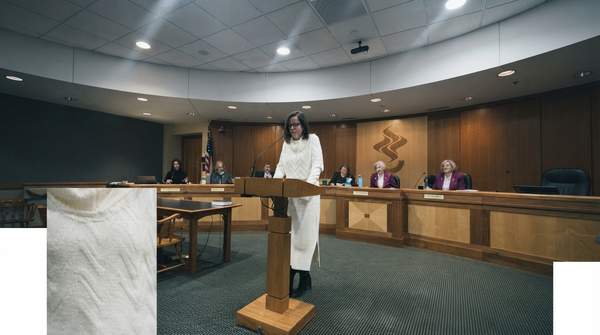
Four Western states—Colorado, Utah, Arizona, and New Mexico—have formed the Mountain West Geothermal Consortium. This new coalition is backed by $12 million in funding. Its goal is to aggressively scale up geothermal power across the region, integrating it into the Western US grid.
Geothermal energy has long been a promising but niche renewable source. However, this new regional consortium, with dedicated legislative and financial backing, is now poised to accelerate its integration into the energy grid.
Based on coordinated legislative action, significant funding, and technological investment, geothermal energy is likely to become a much more significant component of the Mountain West's energy portfolio in the coming decade.
Key Drivers: Legislation, Funding, and Innovation
Colorado Senate Bill 142 mandates investor-owned utilities include geothermal energy in their resource plans. It also empowers local governments to issue bonds for thermal energy infrastructure, according to AspenTimes. This legislative push is complemented by a $12 million Geothermal Energy Grant Fund and technological advancements like the Utah FORGE project in Beaver County, which develops enhanced geothermal systems, reports KUER. These integrated efforts signal a concerted regional strategy to move geothermal from concept to widespread deployment, potentially setting a national precedent for renewable energy integration.
The Broader Significance of Regional Collaboration
While POLITICO Pro notes the coalition generally aims to promote geothermal energy, Colorado's specific mandate for utility inclusion reveals differing levels of immediate action among member states. This divergence means companies, particularly investor-owned utilities in the Mountain West, must now re-evaluate their long-term energy portfolios, according to POLITICO Pro. The consortium, by combining Colorado's pioneering mandates with the $12 million Geothermal Energy Grant Fund, is not merely promoting but actively driving geothermal integration. This collective action marks a definitive policy shift, prioritizing reliable baseload power. The regional collaboration positions the Mountain West to emerge as a leading hub for geothermal innovation and deployment.
Understanding Geothermal's Unique Advantages
Geothermal energy provides a consistent, 24/7 power supply. This makes it a crucial component for a reliable clean energy grid, unlike intermittent renewables such as solar and wind. By focusing on advanced technologies like Utah FORGE's Enhanced Geothermal Systems and empowering local governments with bond issuance, the consortium is laying the groundwork for a scalable and decentralized energy solution. This strategy directly addresses grid stability concerns, offering a continuous power source that complements other renewables.
Anticipated Next Steps and Future Outlook
The consortium's initial success will likely involve leveraging existing geological resources and fostering public-private partnerships. These efforts will accelerate project development and infrastructure build-out. Further legislative action, mirroring Colorado's Senate Bill 142, may be pursued in other member states, broadening mandated geothermal integration across the region. This coordinated expansion suggests that the Mountain West is poised to rapidly increase its geothermal capacity, potentially transforming its energy landscape within the next decade.
Common Questions About Geothermal Energy
What are the primary types of geothermal energy systems?
Geothermal systems primarily include hydrothermal, Enhanced Geothermal Systems (EGS), and direct-use applications. Hydrothermal systems tap into natural hot water reservoirs. EGS technology injects fluid into hot dry rock to create artificial reservoirs. Direct-use systems use geothermal heat for heating buildings or industrial processes, diversifying applications beyond just electricity generation.
How does geothermal energy compare to other renewable sources in terms of land use?
Geothermal power plants typically require less land per gigawatt-hour (GWh) of electricity produced compared to solar or wind farms. A geothermal plant might use only 1-8 acres per megawatt. Solar farms can require 5-10 acres per megawatt, and wind farms 10-20 acres per megawatt, though much of the wind farm land remains usable for agriculture. This makes geothermal a compact option for continuous power.
What role does geology play in geothermal energy development?
Geothermal development is highly dependent on specific geological conditions, including heat flow, permeability, and the presence of water. Regions with active volcanic or tectonic activity, like the Mountain West, often have higher geothermal potential. Understanding subsurface geology is crucial for identifying viable sites and designing effective drilling strategies.