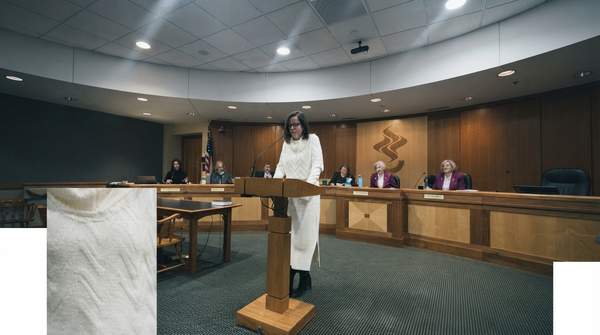
Keystone's municipal elections were canceled due to a lack of candidates, leading to Suzanne Riefstahl's appointment as the newest town council member, according to SummitDaily. Despite this civic apathy, 60% of Keystone residents rate the town's 'sense of community' as 'poor' or 'fair,' per Keystone Civic. Widespread dissatisfaction contrasts sharply with the lack of public engagement in local governance.
New council members like Riefstahl face an uphill battle to foster community and improve infrastructure without broader civic participation. Keystone's profound disengagement, marked by canceled elections and appointed leaders, exacerbates critical community and transportation failures, perpetuating a cycle of dissatisfaction and inaction.
Keystone's Transportation and Community Fractures
Keystone's public transportation system ceases service at 10:30 p.m. complicating late-night travel for many residents, particularly those without personal vehicles or reliant on rideshares in this remote area, according to SummitDaily. The early cutoff disproportionately affects the car-less workforce, actively fragmenting the community and hindering efforts to build social cohesion. The logistical isolation imposed by limited transit hours directly undermines any push for a stronger 'sense of community'.
New Leadership, Familiar Challenges
Suzanne Riefstahl, Keystone's newly appointed council member, prioritizes integrating workers into community resources, citing the reliance of many residents on public transport and the lack of personal vehicles, per her stated priorities. Her agenda includes improving pedestrian safety and overall transportation. Riefstahl's focus directly confronts the town's identified weaknesses, suggesting an understanding of the challenges facing underserved populations. However, her success hinges on mobilizing a populace that is both dissatisfied and civically disengaged, a significant hurdle for any new leader.
The Roots of Disengagement
Keystone's transient, seasonal workforce complicates efforts to build lasting social cohesion, amplifying existing community and infrastructure challenges. The transient, seasonal workforce exacerbates the paradox of widespread dissatisfaction alongside minimal civic engagement. The cancellation of municipal elections, stemming from a complete lack of candidates, reveals a fundamental breakdown in the community's willingness to self-govern, allowing critical issues like a poor 'sense of community' to persist unchecked.